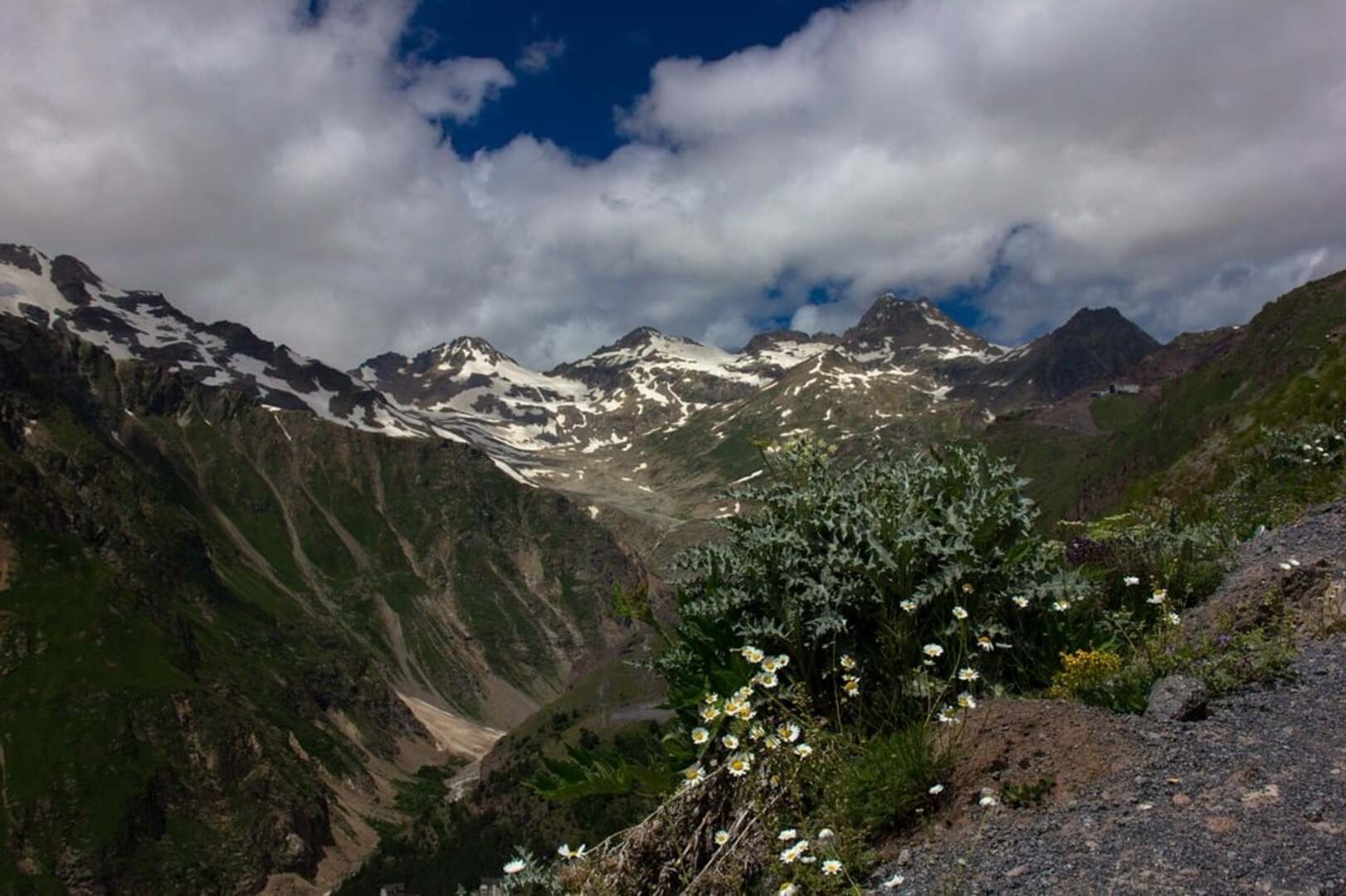
Plan Your Mount Elbrus Hike
Conquer Europe’s highest peak , a twin-summit volcano with ancient glaciers, high Caucasus ridges, and sweeping views across Kabardino-Balkaria and Georgia.

Conquer Europe’s highest peak , a twin-summit volcano with ancient glaciers, high Caucasus ridges, and sweeping views across Kabardino-Balkaria and Georgia.
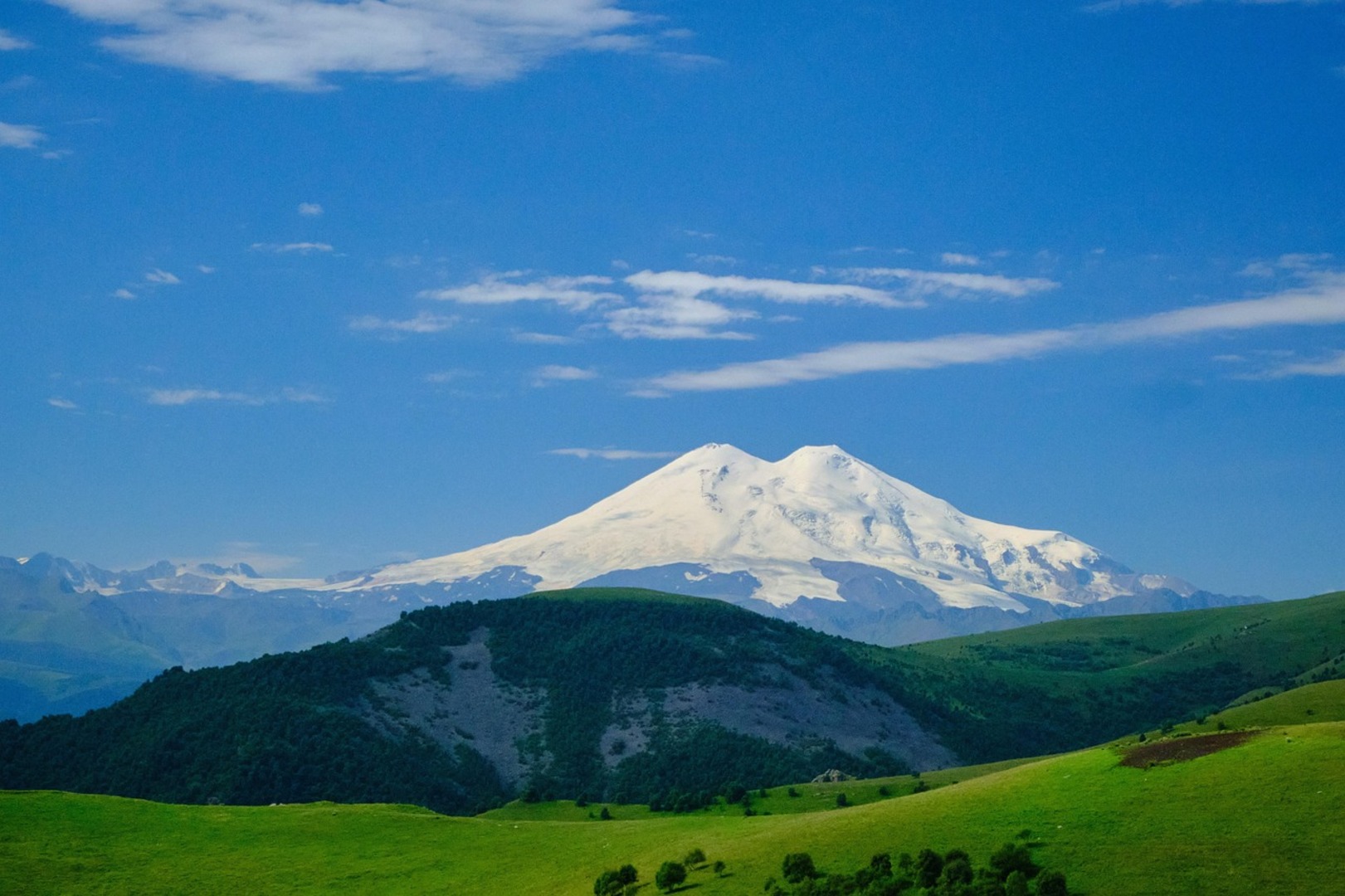
Plan access and guided options for Mount Elbrus. Use the official park or climb site for permits, fees, and safety rules. Use a trusted partner for guided hikes, transfers, and day tours with mobile tickets. Confirm altitude, weather, and inclusions before you book.

Best for Elbrus region access practicalities and south-route orientation.
Useful for guided hikes, transfers, glacier or cable-car packages, and flexible cancellation on many GetYourGuide listings.
Choose the official site for permits and park rules. Choose a partner tour when you want logistics handled (pickup, guide, timed entry) on a short trip.
Hand-picked Mount Elbrus hikes and day tours on GetYourGuide. Prices and availability update on the partner site; confirm altitude, duration, and inclusions before you book.
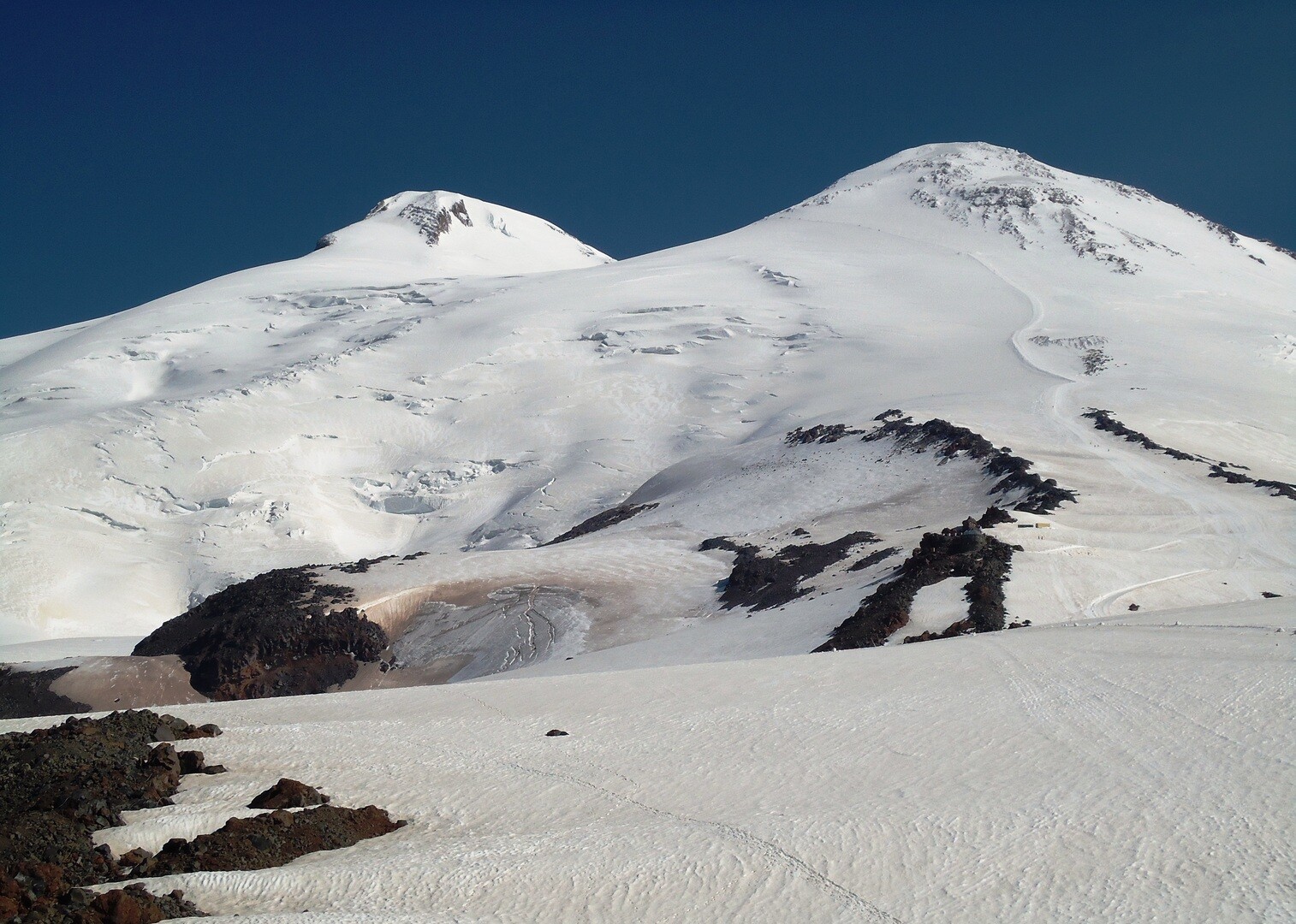


10.5 hours • Ananuri Fortress • Gudauri viewpoint • Gergeti Trinity Church
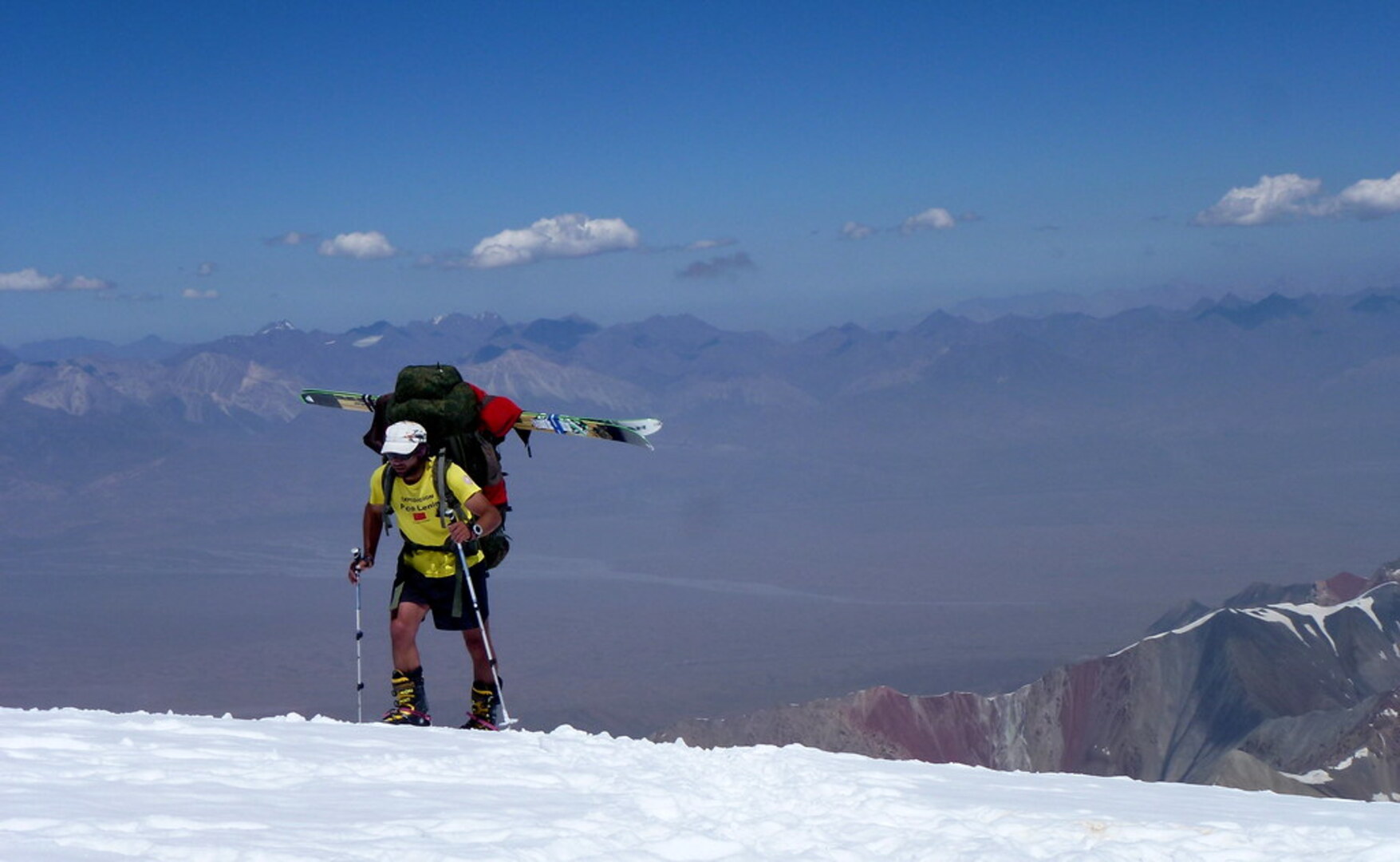
10.5 hours • Zhinvali Reservoir • Ananuri Fortress • Gudauri & Gergeti Trinity Church
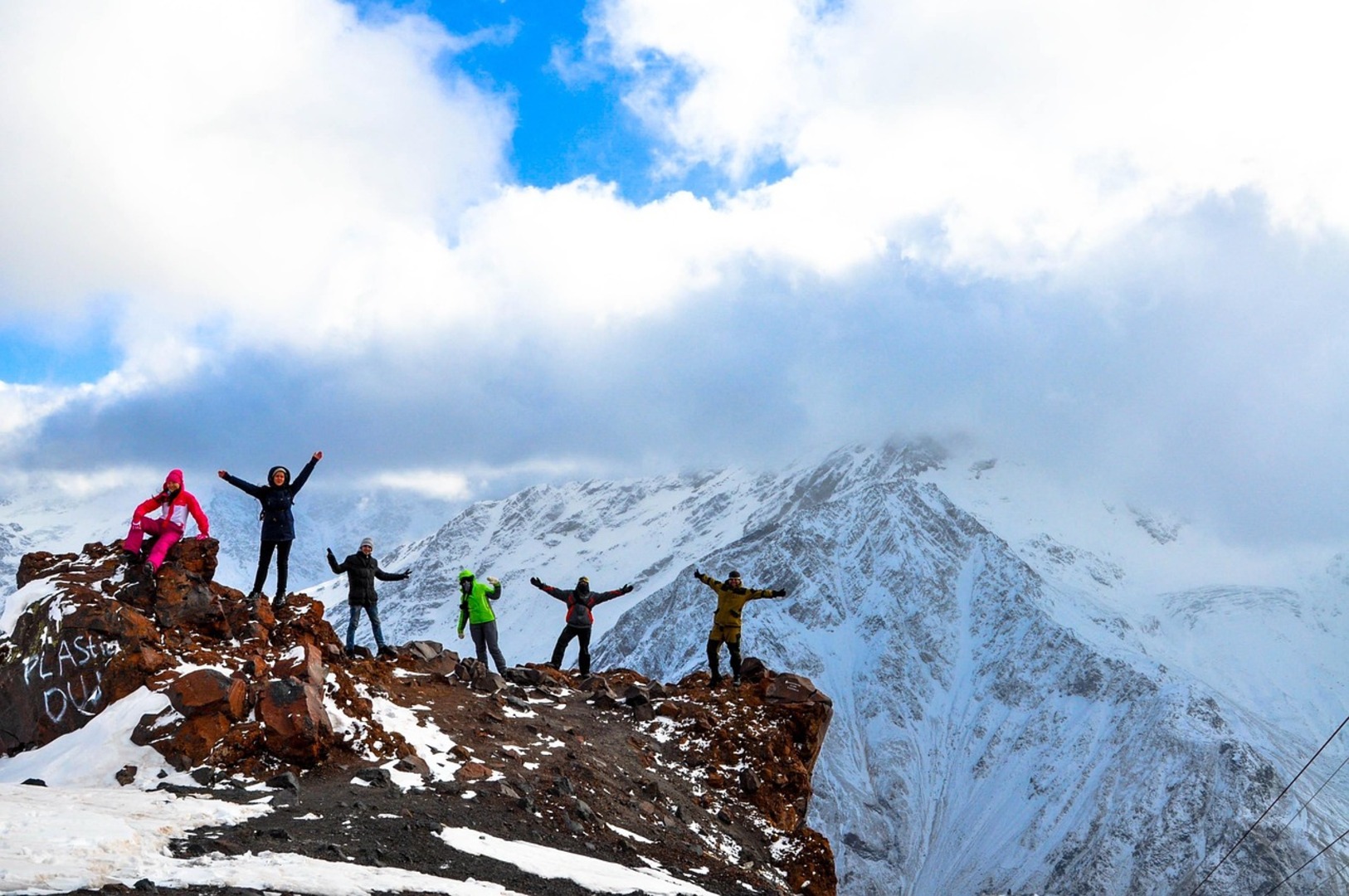
10 hours • Kazbegi National Park • Gudauri viewpoints • group tour from Tbilisi


Stand on the highest point in Europe and look out over the Greater Caucasus from Mount Elbrus’s twin summits.
Spot Caucasian tur, golden eagles, and alpine wildflowers on trails around Baksan Valley and Kazbegi National Park.
Experience ancient glaciers, deep river valleys, and sunrise views that light up the high Caucasus ridgelines.
Mountain weather around Mount Elbrus changes quickly. Check a local forecast the morning you hike and turn around if conditions drop.
Long approaches and busy viewpoints are safer and quieter with a dawn start.
Boots, layers, waterproofs, water, food, sun protection, and navigation, even on short valley walks.
Conditions change. Confirm trail status, weather, and access rules on elbrus info before you go.
A highlight of hiking around Mount Elbrus.
A highlight of hiking around Mount Elbrus.
A highlight of hiking around Mount Elbrus.
10.5 hours • Ananuri Fortress • Gudauri viewpoint • Gergeti Trinity Church
10.5 hours • Zhinvali Reservoir • Ananuri Fortress • Gudauri & Gergeti Trinity Church
Ridge walks • alpine meadows • viewpoints of Mount Kazbek and the Greater Caucasus
Hilltop church • 4x4 access • panoramic views of the Kazbegi valley
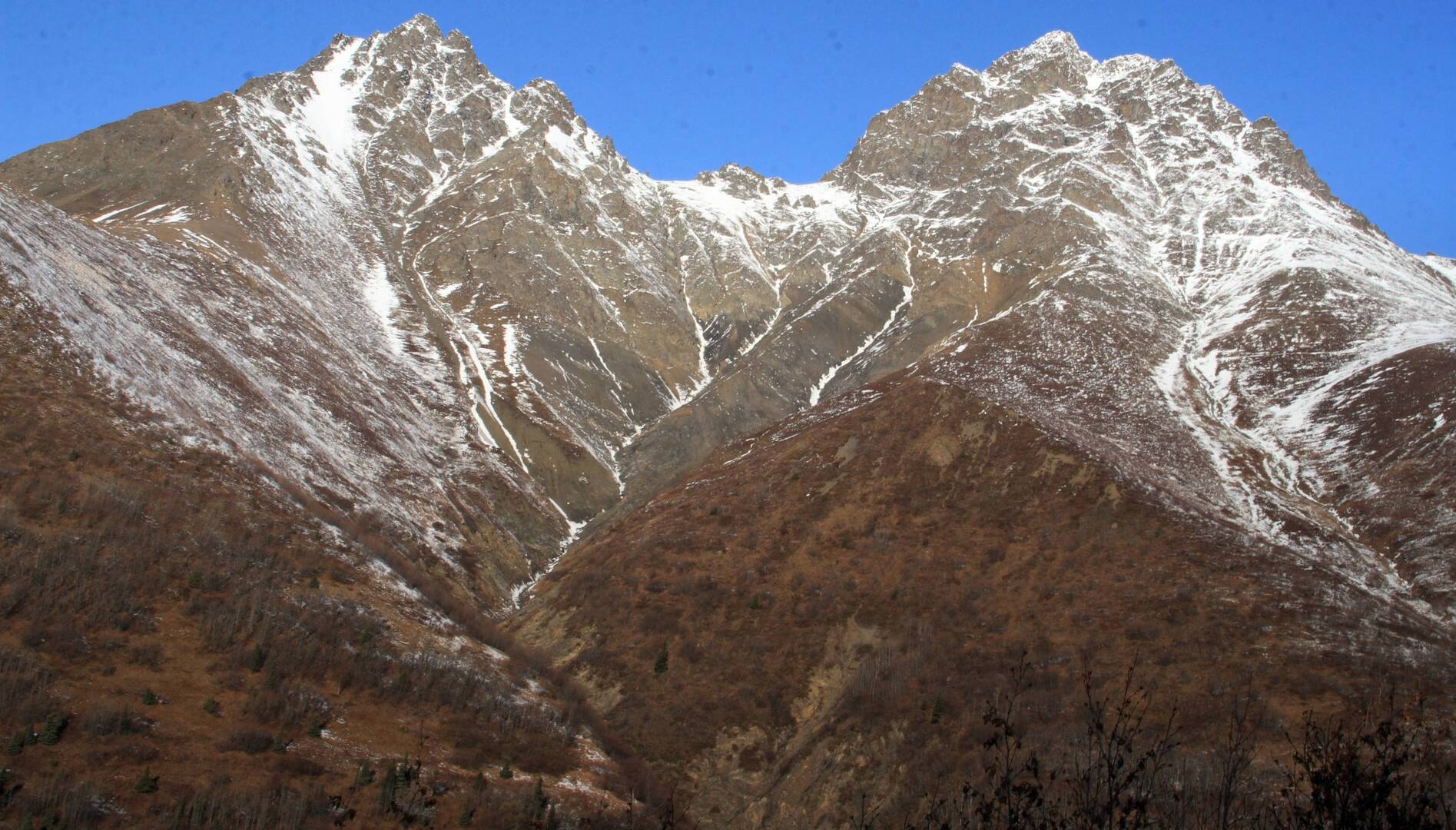
Ridge walks • alpine meadows • viewpoints of Mount Kazbek and the Greater Caucasus
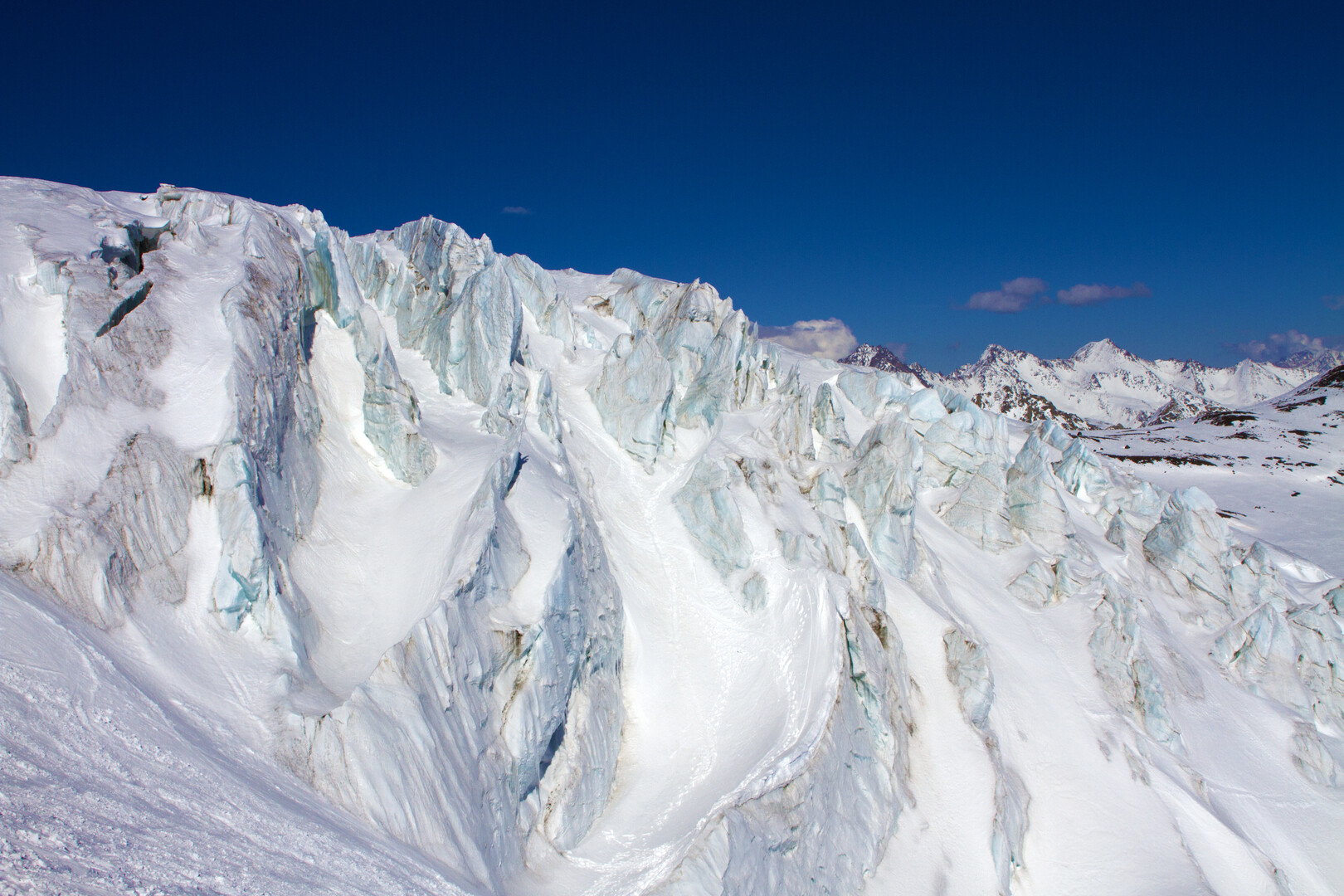
Hilltop church • 4x4 access • panoramic views of the Kazbegi valley
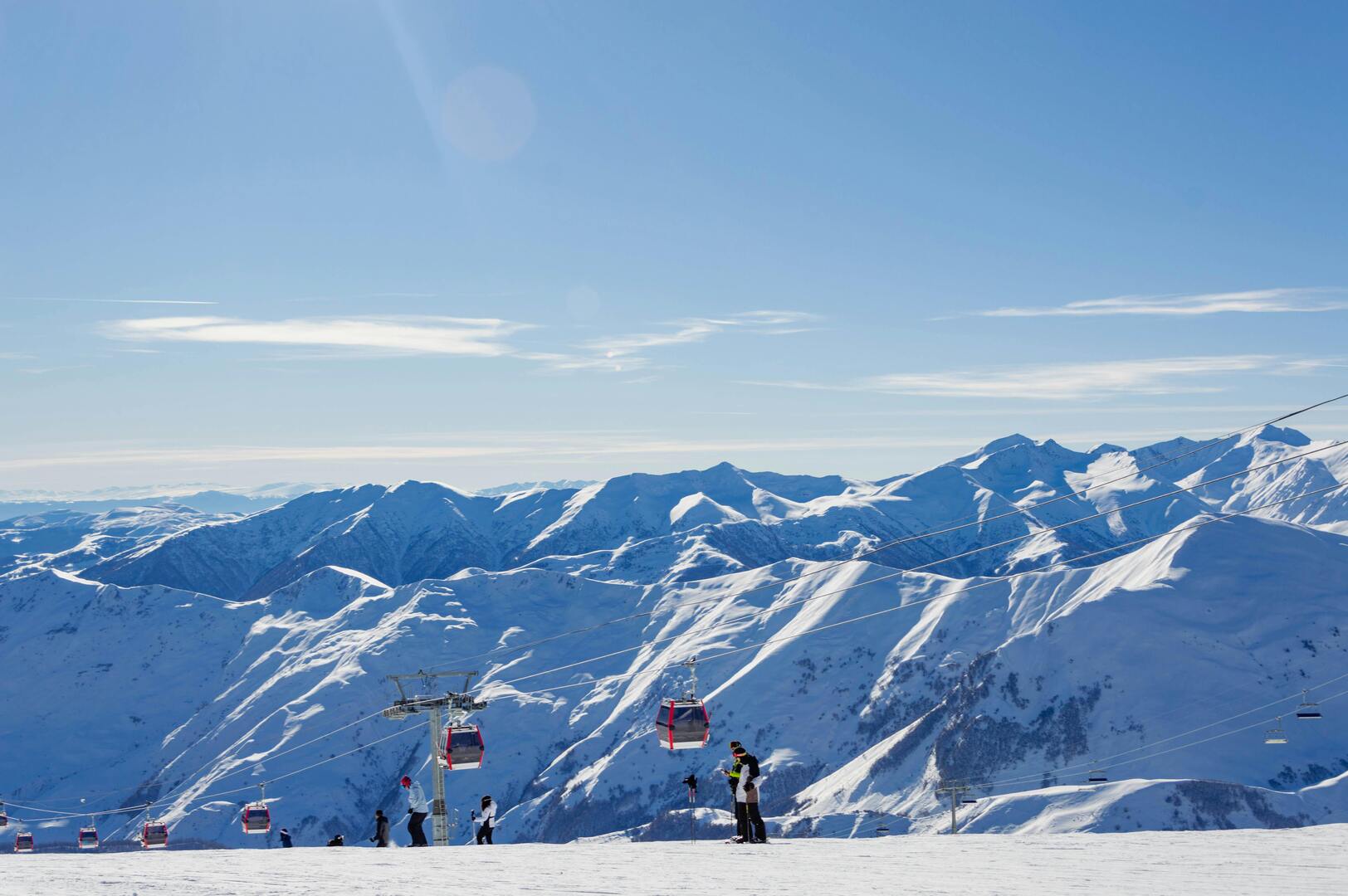
Ski runs • paraglider flights • high-altitude viewpoints over the Caucasus
What should I wear for climbing Mount Elbrus?
Wear sturdy mountaineering boots, layered technical clothing, waterproof outerwear, gloves, and a warm hat. Weather in the Caucasus is highly changeable, especially at altitude, so always prepare for wind, snow, and low temperatures even in summer.
Are the trails family friendly?
Valley walks in the Baksan Valley and viewpoints around Kazbegi are suitable for families. Summit routes and glacier crossings on Mount Elbrus require good fitness, acclimatization, and proper guiding, and are not recommended for young children.
Are there any fees to climb Mount Elbrus?
Yes. Depending on your route and provider you may need permits, cable car tickets, hut fees, and guide services. Many guided tours bundle these costs,always check what is included before you book.
When is the best time to visit?
June to September generally offers the most reliable weather for climbing and high-altitude trekking. Winter ascents are possible but require advanced experience, technical skills, and specialist equipment.
Can I photograph the mountain and surroundings?
Yes. Mount Elbrus, Kazbegi, and Gudauri offer outstanding photography opportunities. Respect private property, avoid drones where restricted, and follow local guidance around border areas and infrastructure.
Is Mount Elbrus accessible?
Cable cars make it easier to reach higher elevations on the South Route, but summit routes and most high trails are not wheelchair accessible. Some lower valley paths and viewpoints may be suitable depending on conditions,check with local providers in advance.
Mount Elbrus, rising to 5,642 meters in the Greater Caucasus, is Europe’s highest peak and a classic of the Seven Summits. Its twin volcanic domes, sweeping glaciers, and high plateaus overlook deep valleys such as the Baksan Valley and the Kazbegi region. From gentle valley walks to demanding summit routes, the wider Elbrus area offers a mix of alpine culture, dramatic landscapes, and year-round mountain adventures.